Annalisa VobisMFA, California College Of The Arts, San Francisco,
California |
Home | Exhibitions | Resources | Archive | Contact |
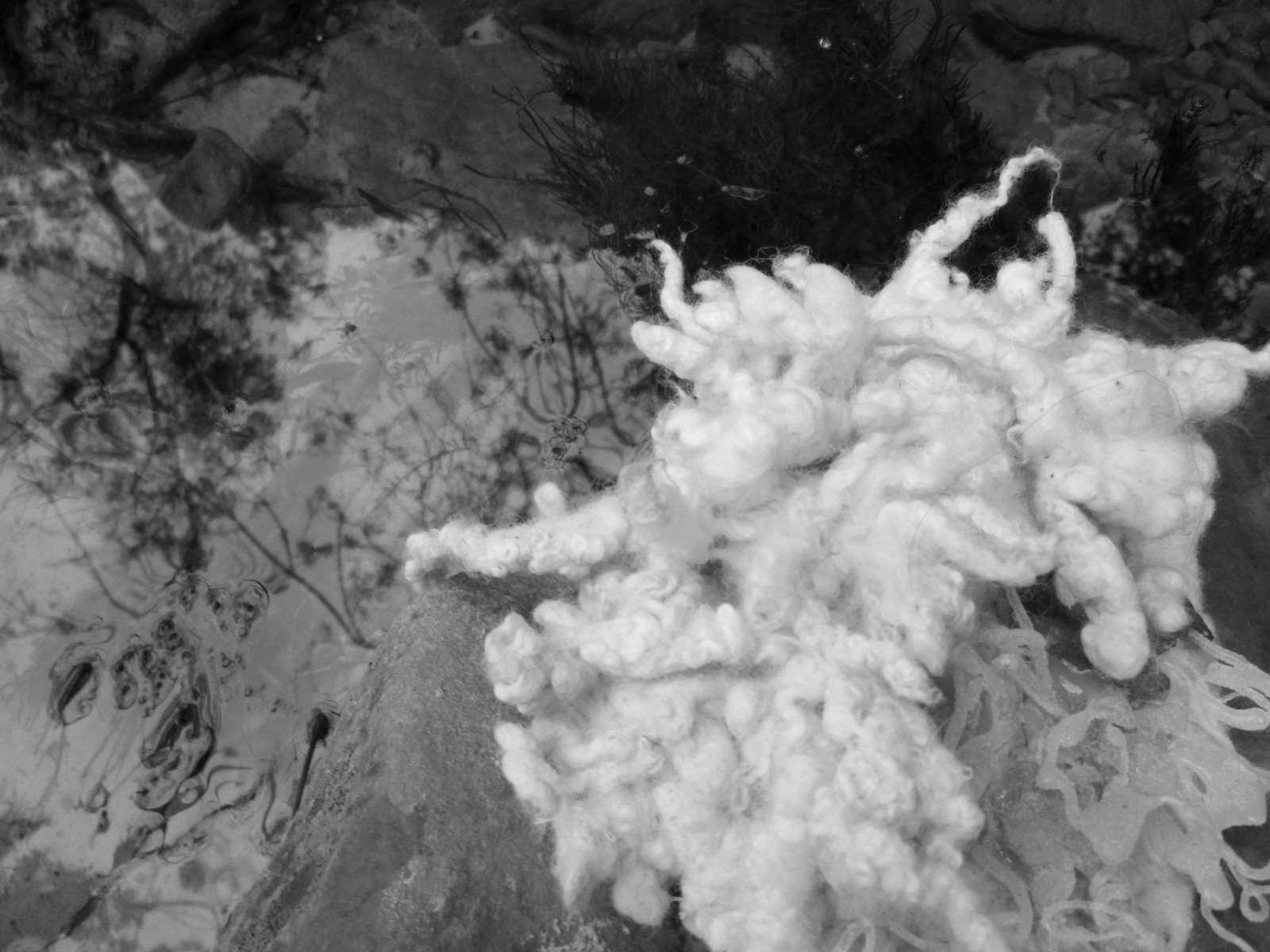
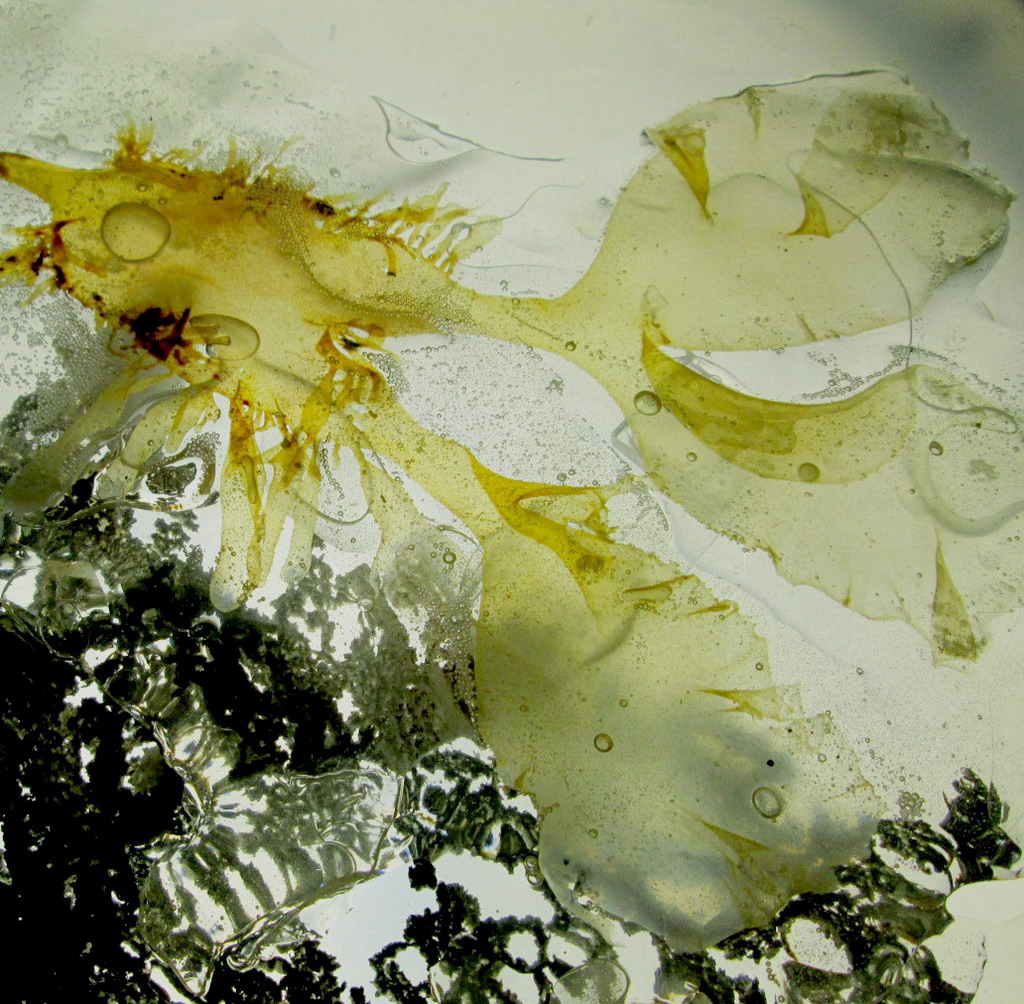
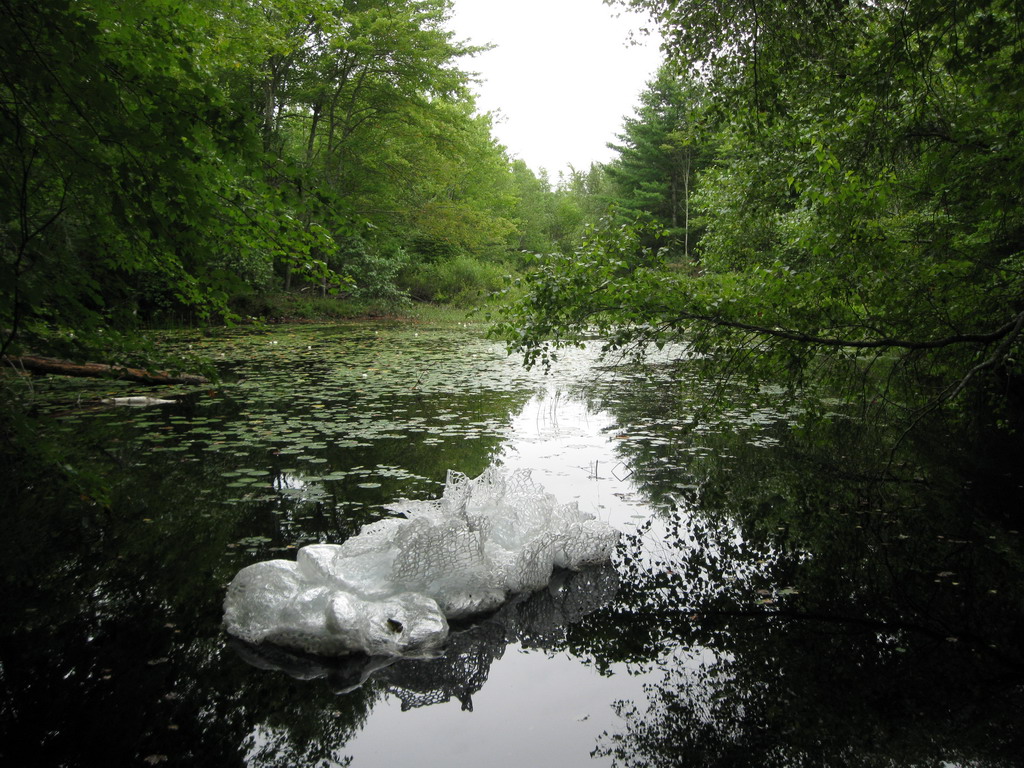
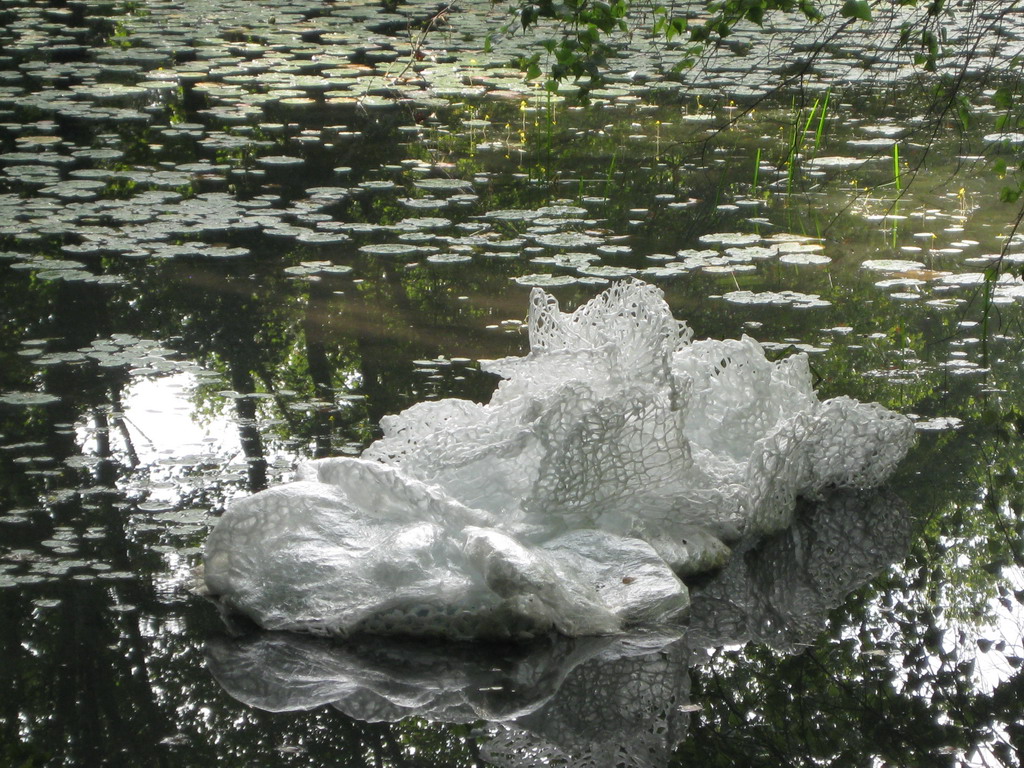
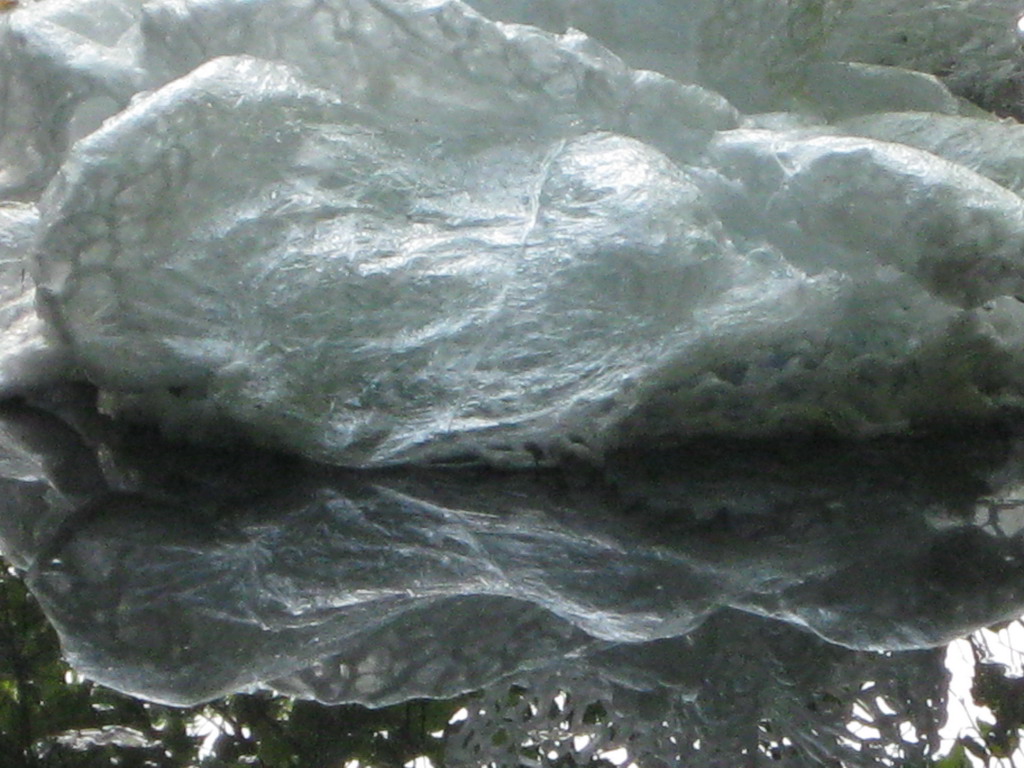
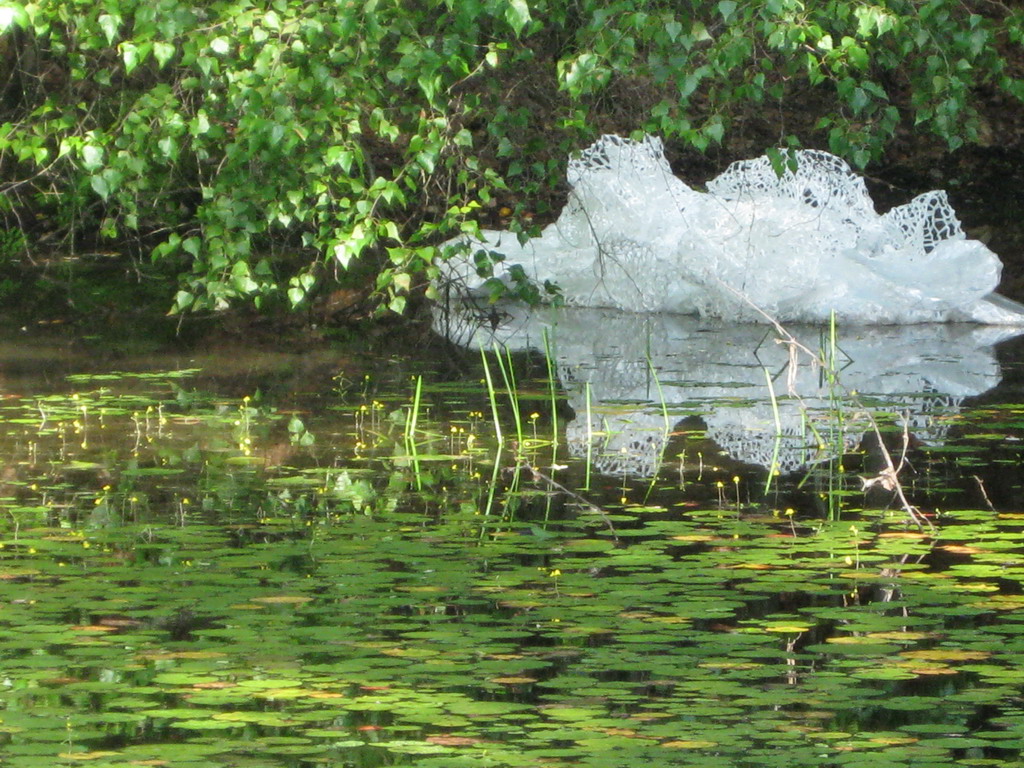
From the forests in Germany to the endangered coral reefs, Anneliese Vobis' projects are process-oriented investigations of natural systems. She is concerned with the actual production and the concepts of change and transience. In this repetitive principle she explores the understanding of the innermost depths of her own being. Everything that exists is the outcome of a process. Understanding the broad area of reality always involves understanding the process of change. As Hegel said, "it is the process of change which makes evolution possible." The interrelation of organisms in ecosystems serves as a starting point for intense scientific related research and experimentation. Anneliese's biomorphic-shaped projects explore the metamorphic cycles that organisms undergo in nature. Her work reflects natural processes like melting, crystallization and growth.
36 Below |
|||
|
|
![]() |
![]() |
|
|
"32 Below" installation with 220 Atelier,
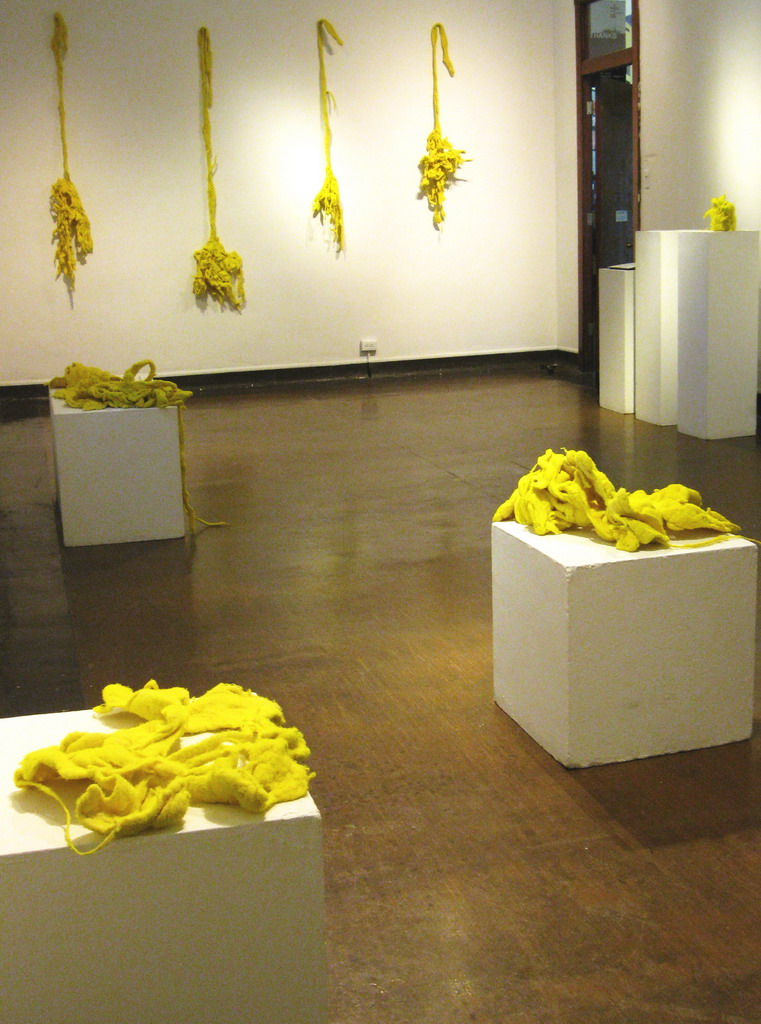
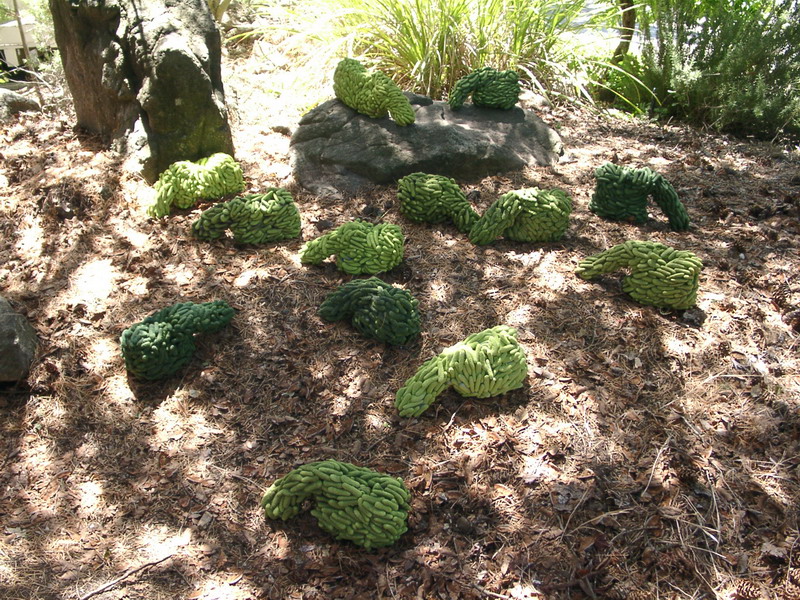
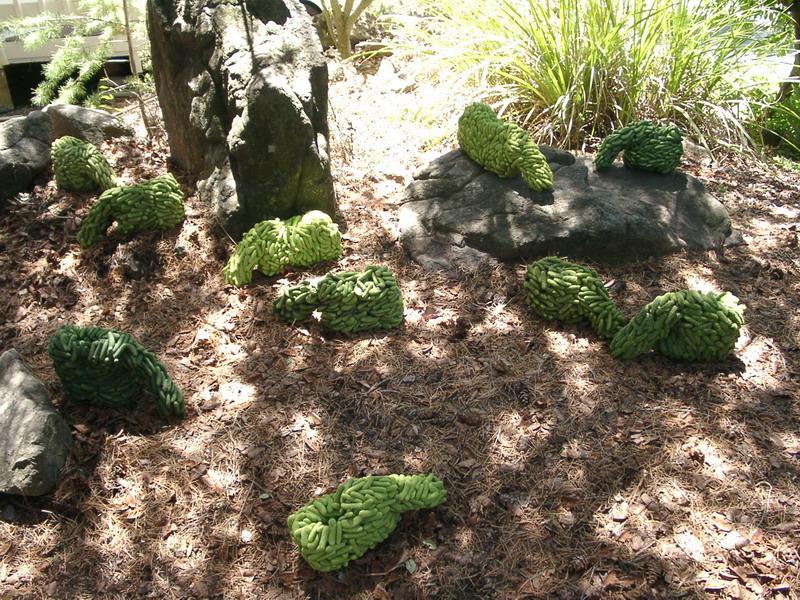
2011 The installation explores a theme based on the recent dioxin scandal in Europe. Contaminated food reached animals and consumers - beef, eggs and other products contained unhealthy ingredients. Like a shock wave it alarmed and scared everybody. |
|||
Cal-ci-fied |
|||||||
![]() |
![]() |
|
|
|
|
|
|
|
Cal-ci-fied |
Studio Lab |
Neues Leben |
Endlos (9'x 9' x 10') |
||||
|
|
|
|
|
|
|
|
|
|
Second Nature (11' x 13' x 5') |
Mono (8' x 8') |
Zerbrechlichkeit (10' x 6' x 3') |
|||||
|
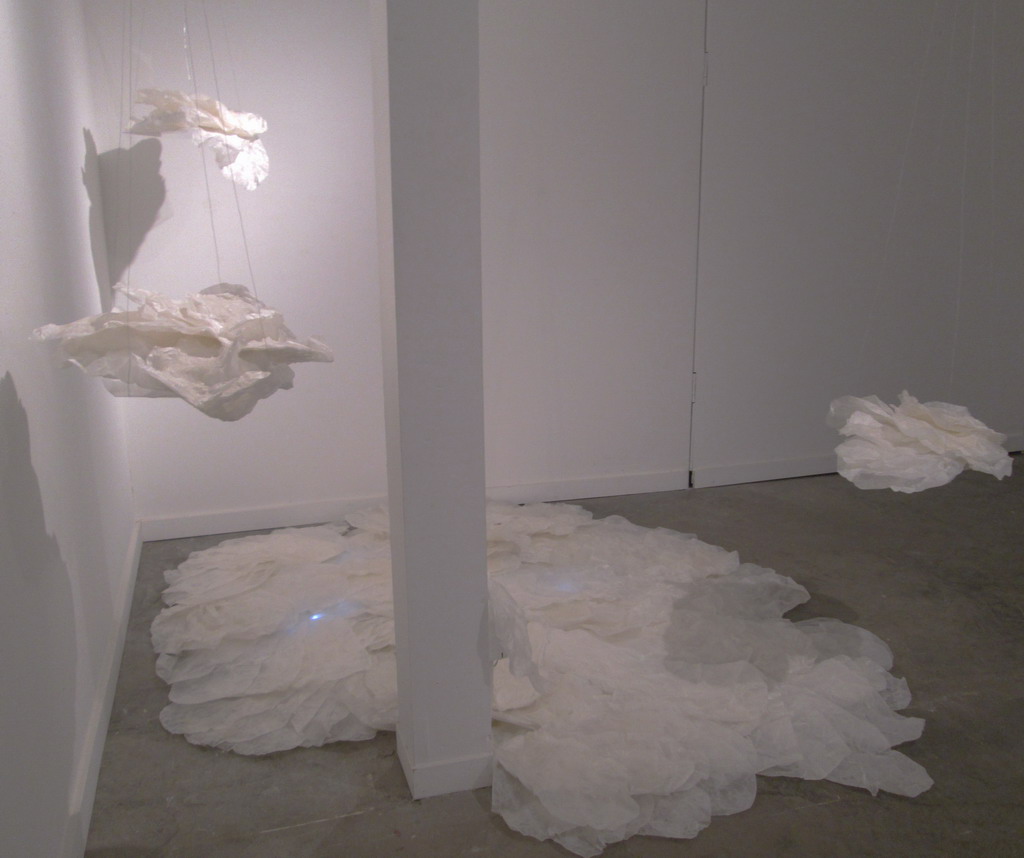
Phantom Gallery (total size: 75' x 30'),
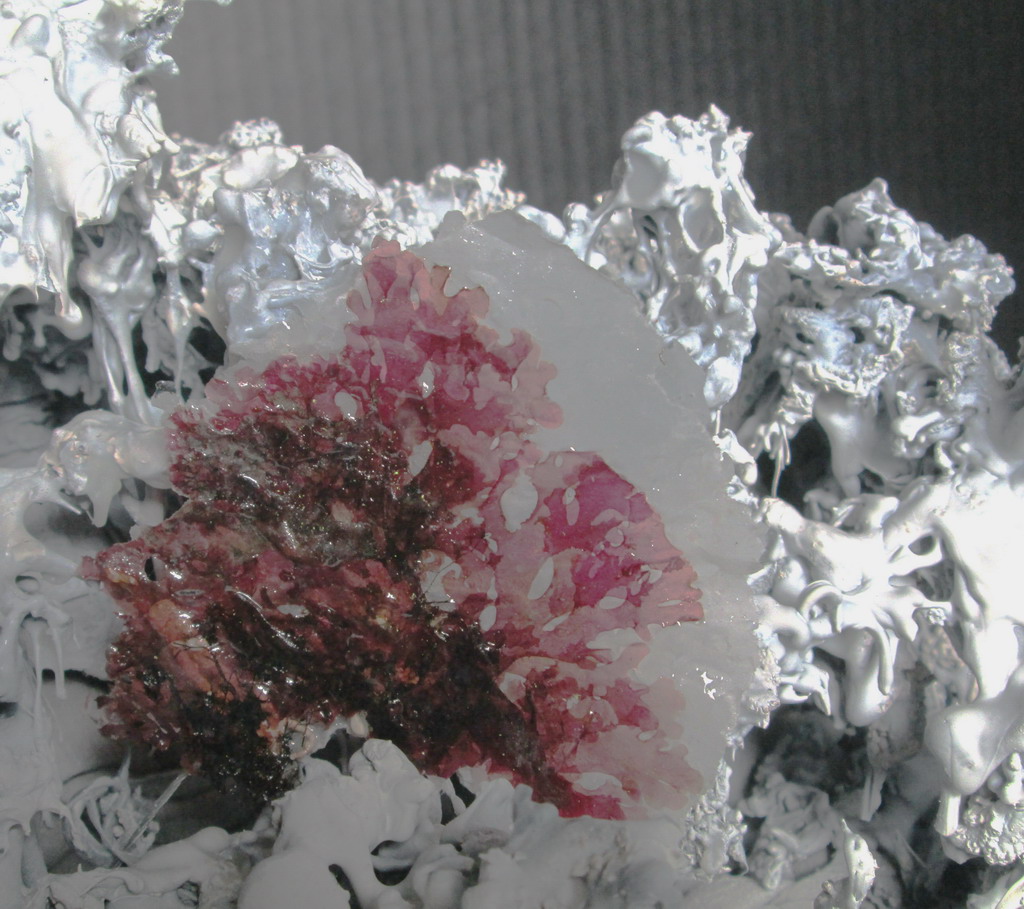
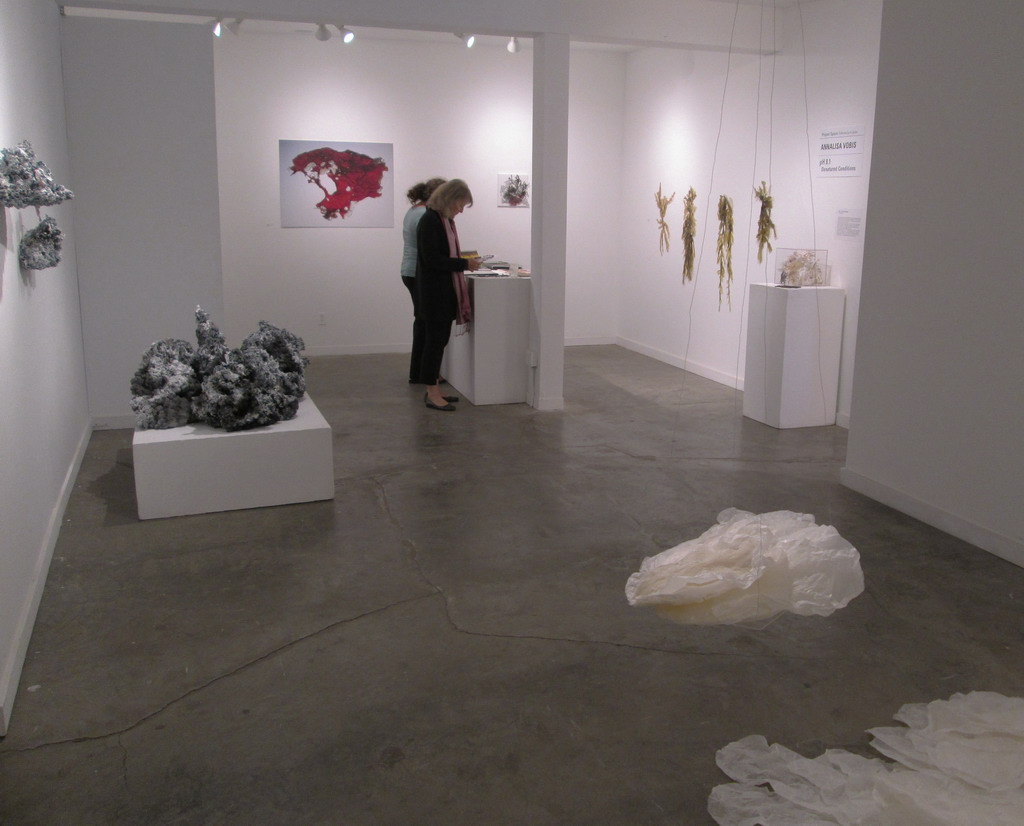
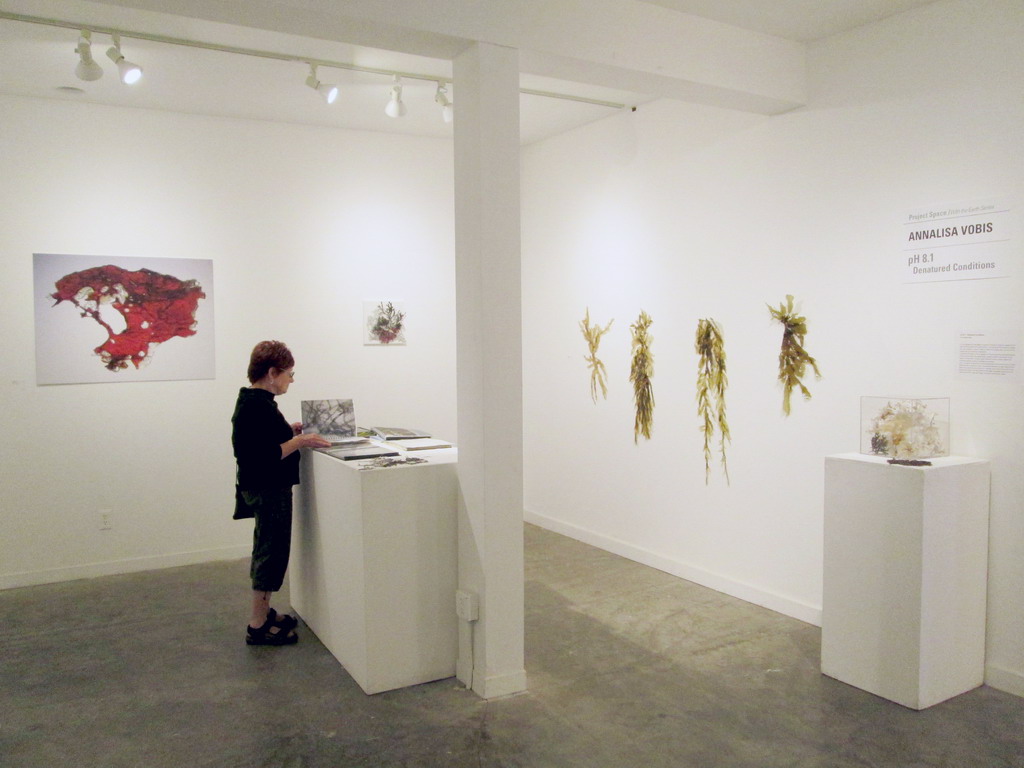
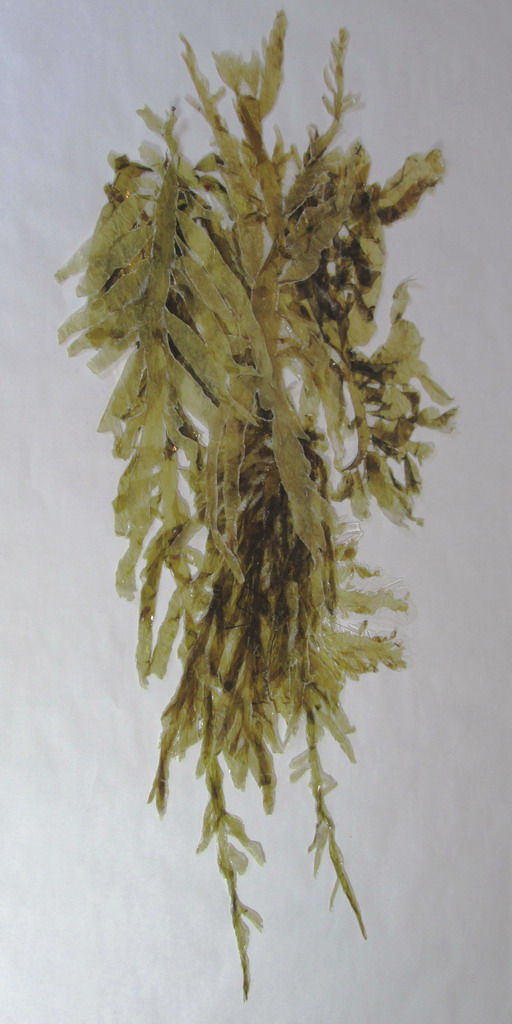
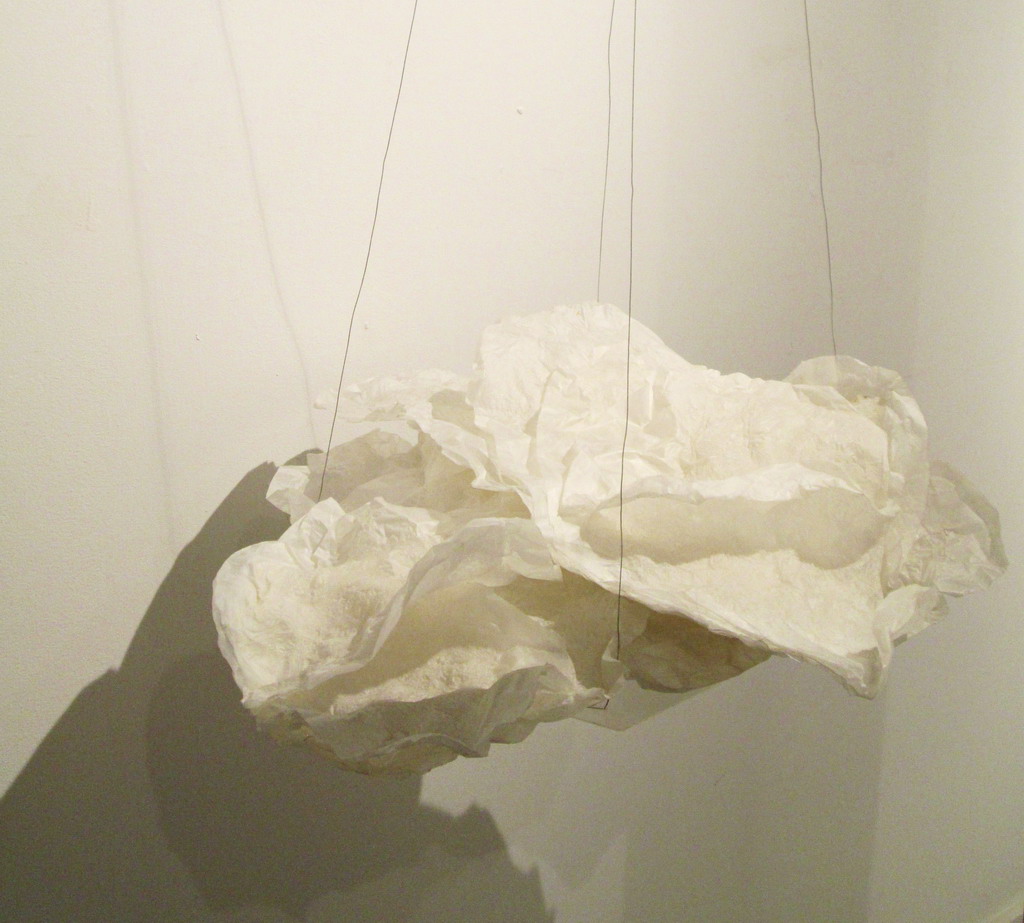
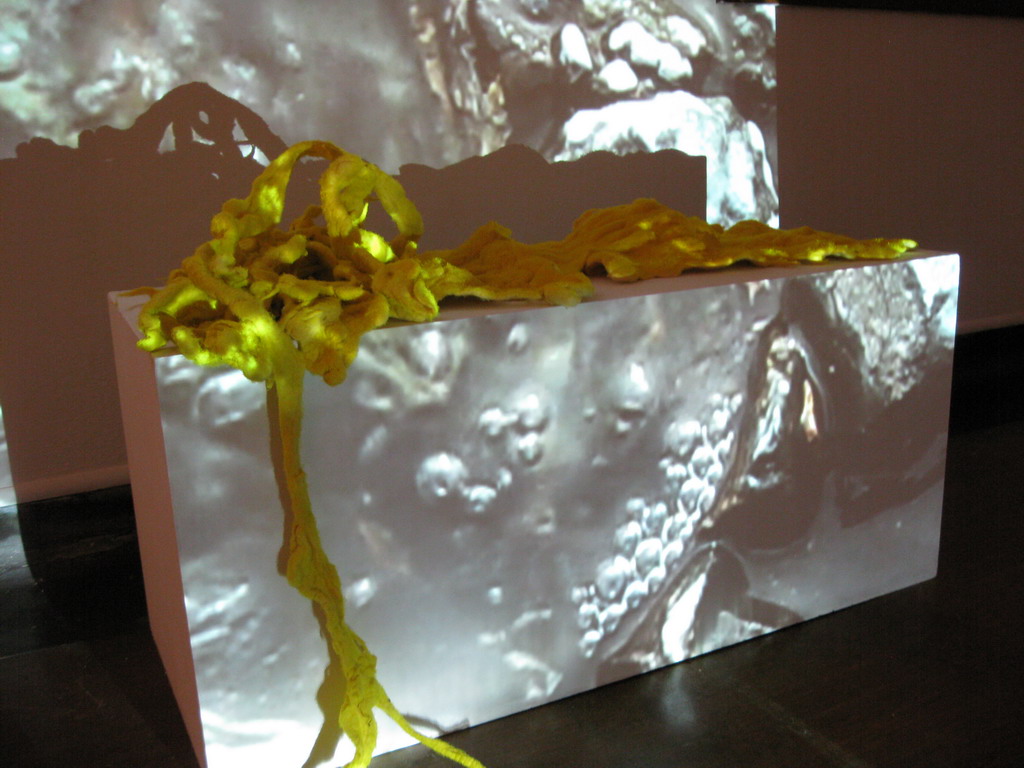
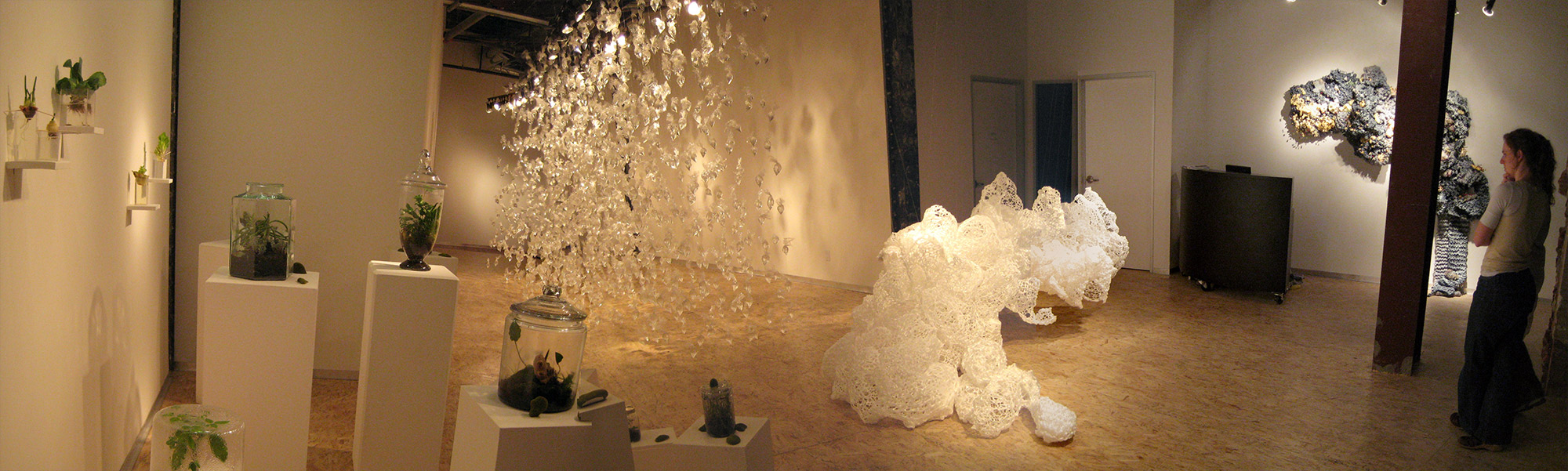
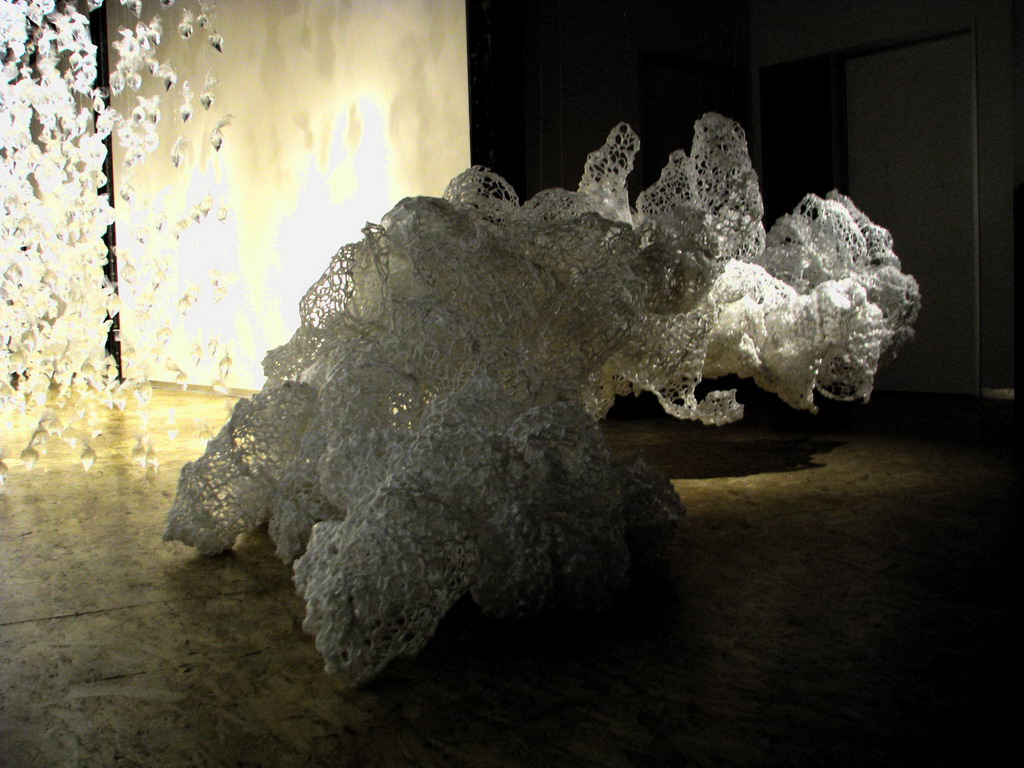
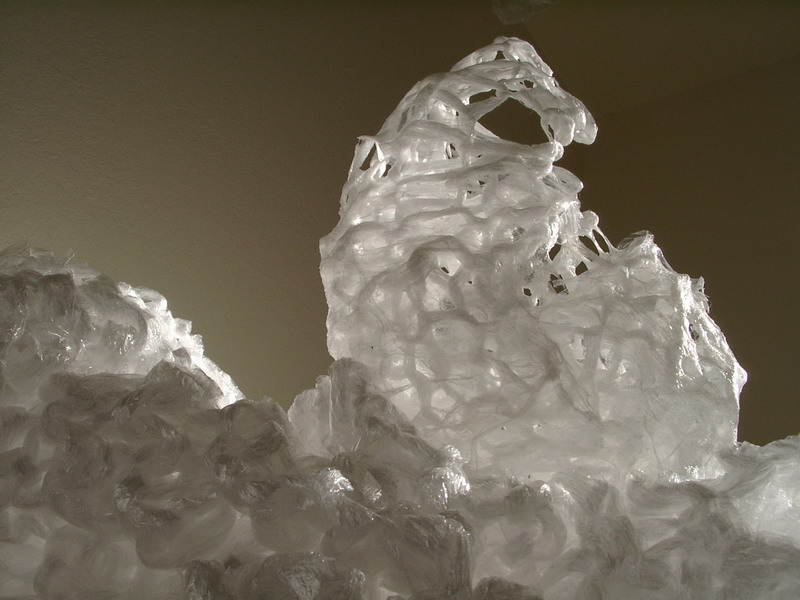
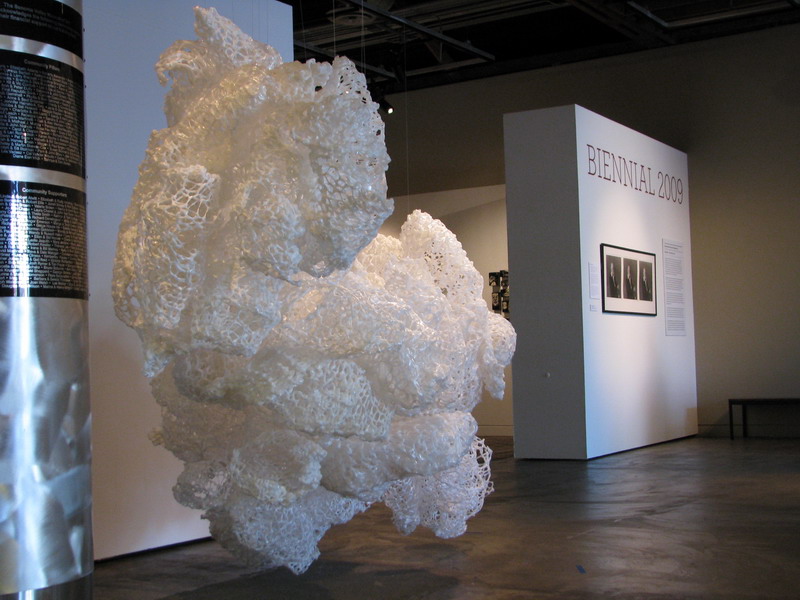
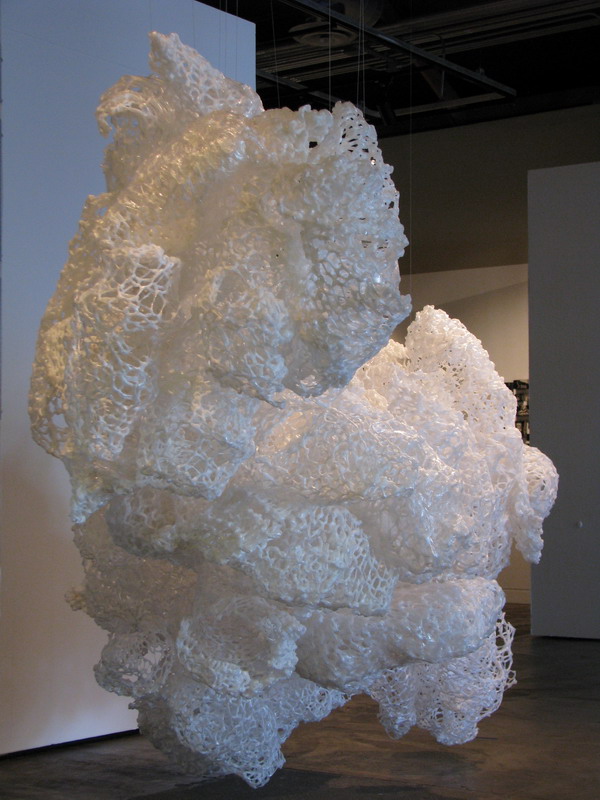
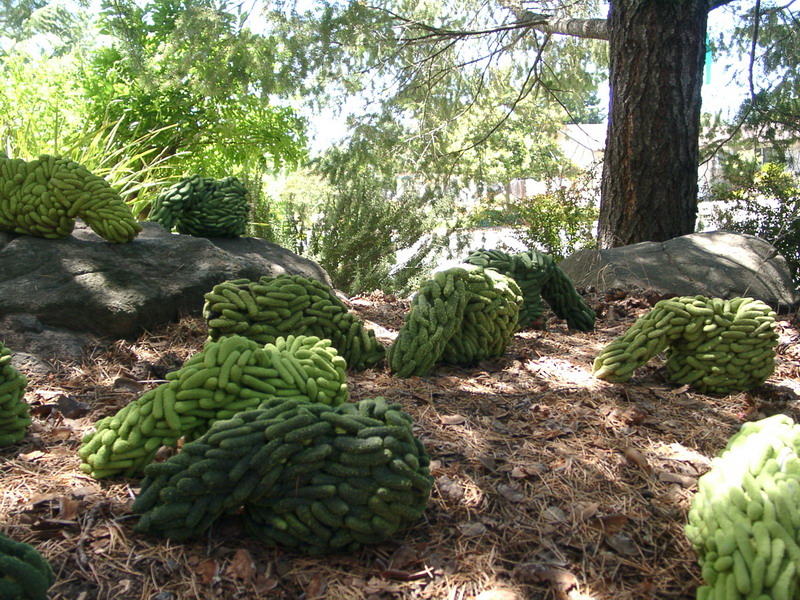
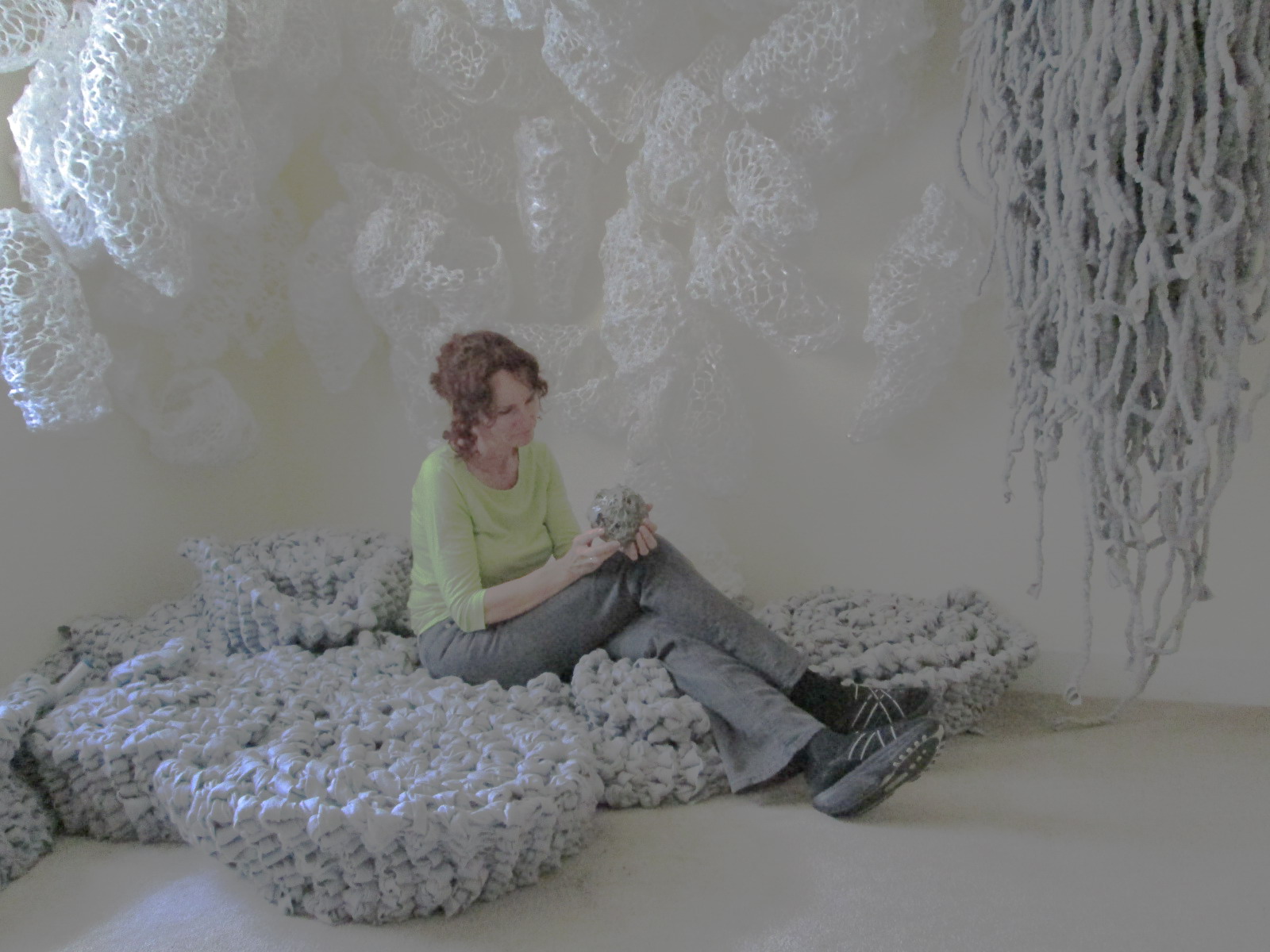
installations in main and side rooms, 2010 Cal-ci-fied is an ongoing investigation, a mixture of studio/lab and Natural Science Museum. The exhibit consists of six related environmental theme parts. Especially the impact of rising acid levels in the Oceans is explored. It begins with the presentation of Anneliese’s studio - lab space where research and experimentation melts together to reflect on personal experiences at the Bodega Marine Laboratory. The hanging algae installation Endlos (German for "endless") focuses on the endless variety of algae species. They are the inventors of the photosynthetic calcification processes. A slide projection in the darkened room brings the audience deep down to the bottom of the sea. There Radiolarian Ooze constantly forms new sedimentary rocks. The slide material focus on the calcification processes of Mono Lake. Stromatolite structures and the formations in Mono Lake inspired the ongoing large-scale knitting project Second Nature on the floor. The underlying concept is the reflection of coral bleaching – the result of rising acid levels in the sea. The wooden assemblages Neues Leben ("new life") references different recycling strategies. Zerbrechlichkeit ("fragility") is a illuminated floating paper installation that confronts us with an apocalyptic situation - the de-calcification of the shell animals in the future. The artworks are created as places for discussions and the search for future environmental solutions. Can we stop the rising of the acid levels in our oceans? |
|||||||
Biomimicry |
|||||||
![]() |
![]() |
![]() |
|
|
|
|
|
|
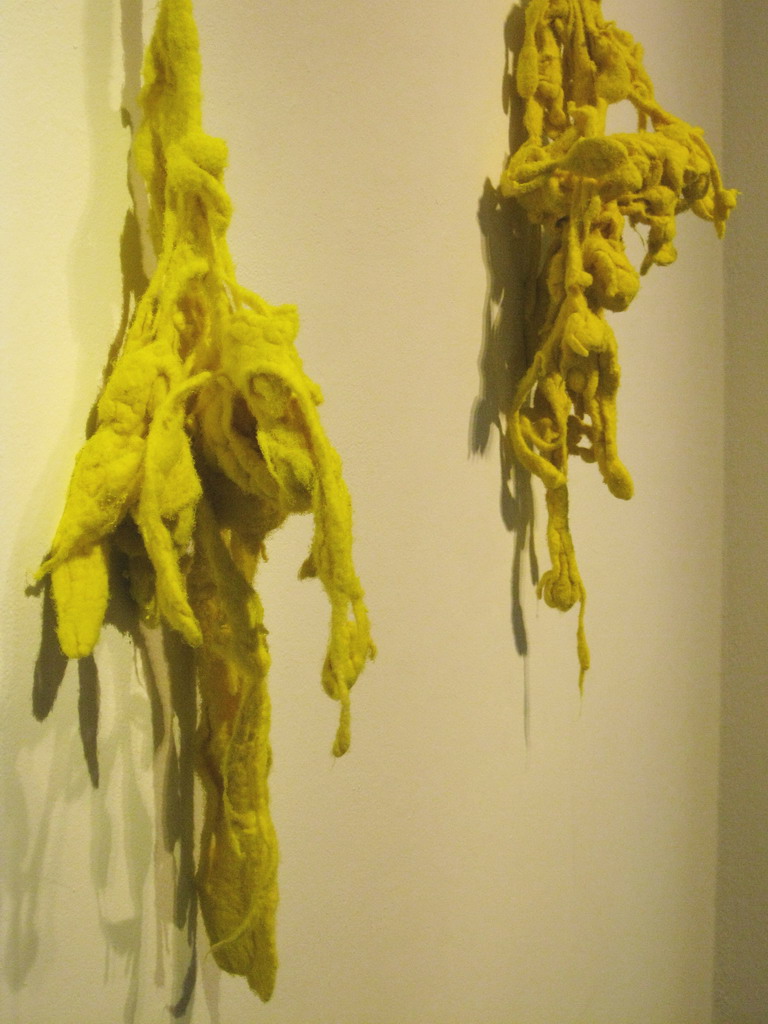
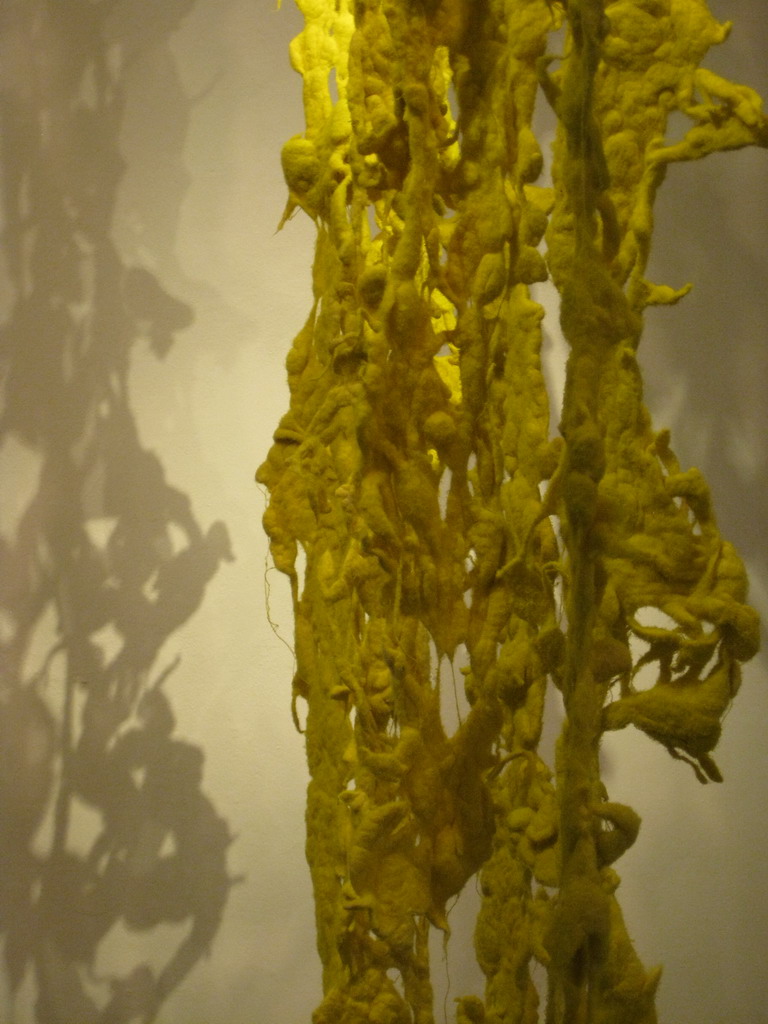
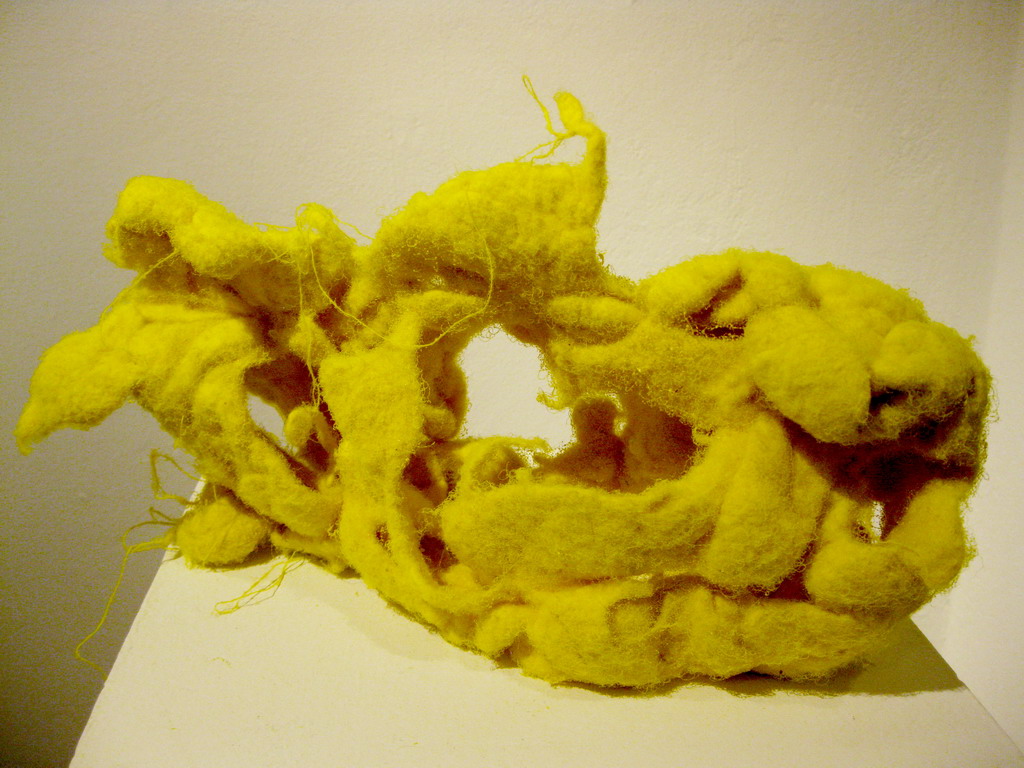
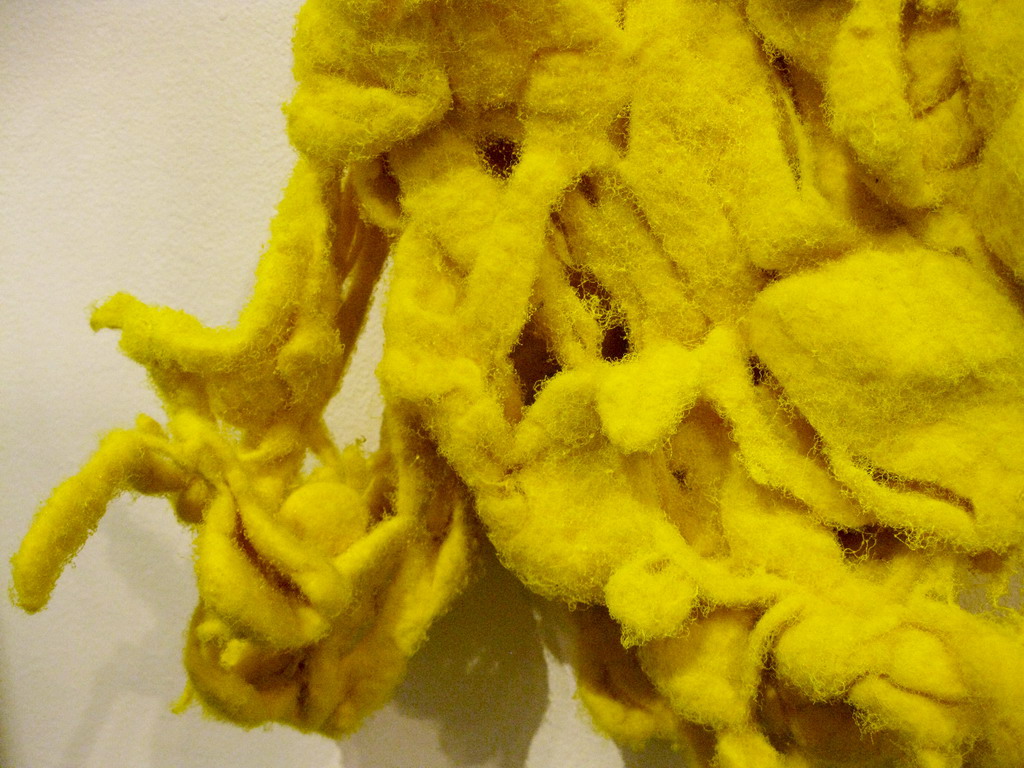
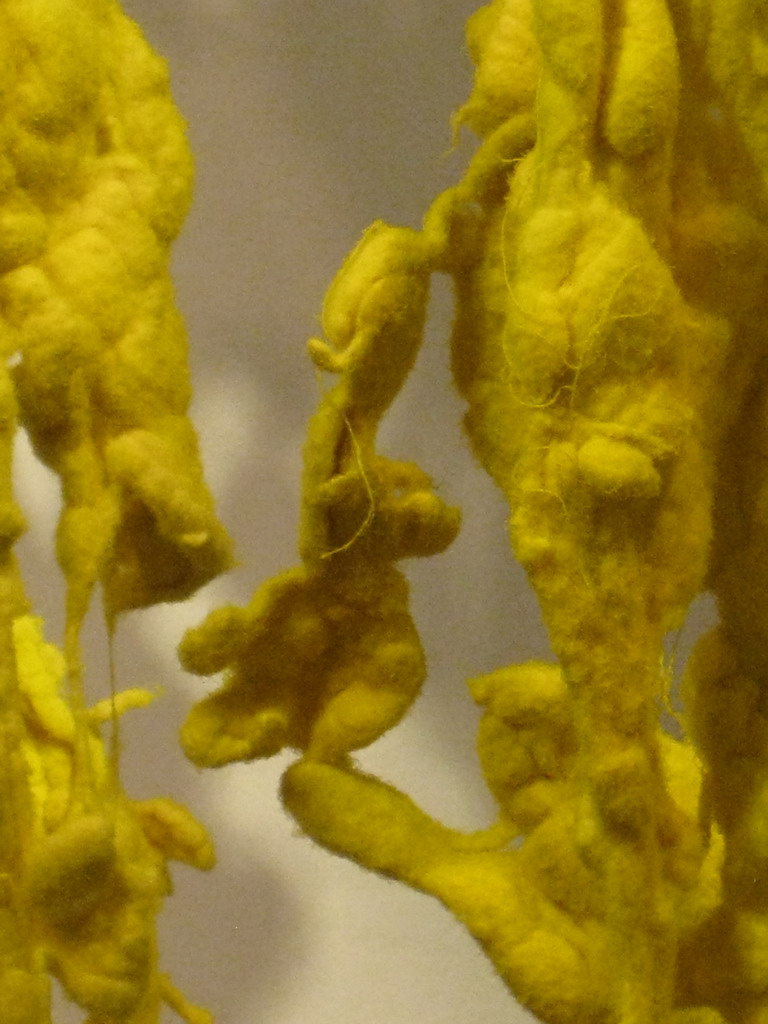
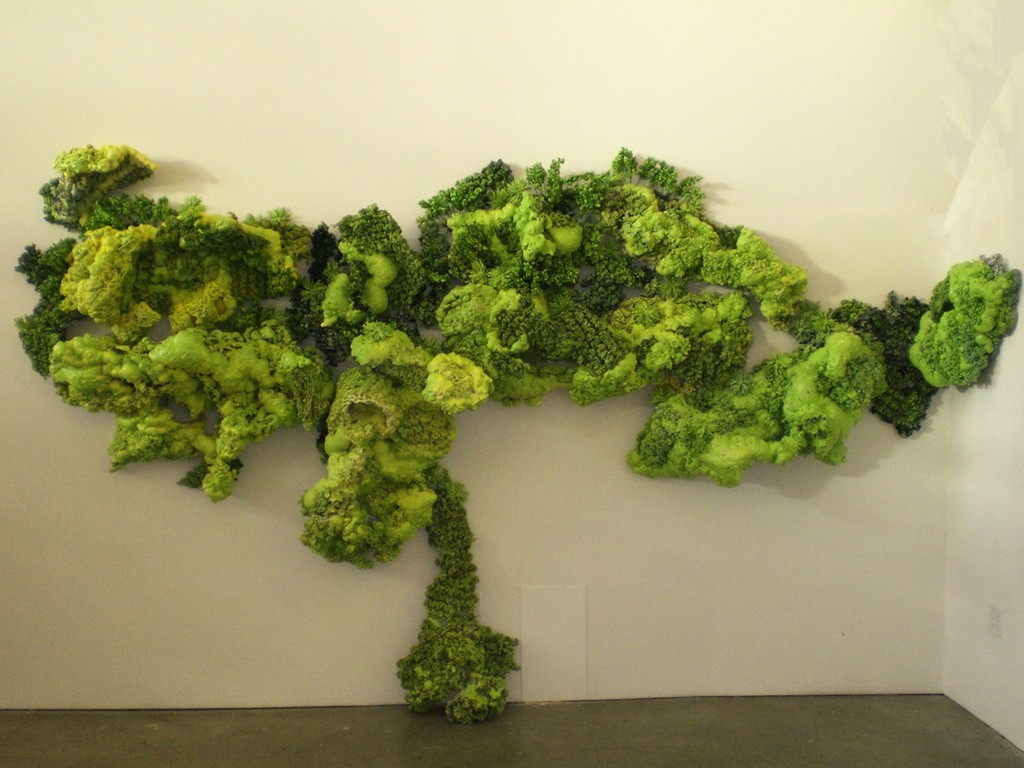
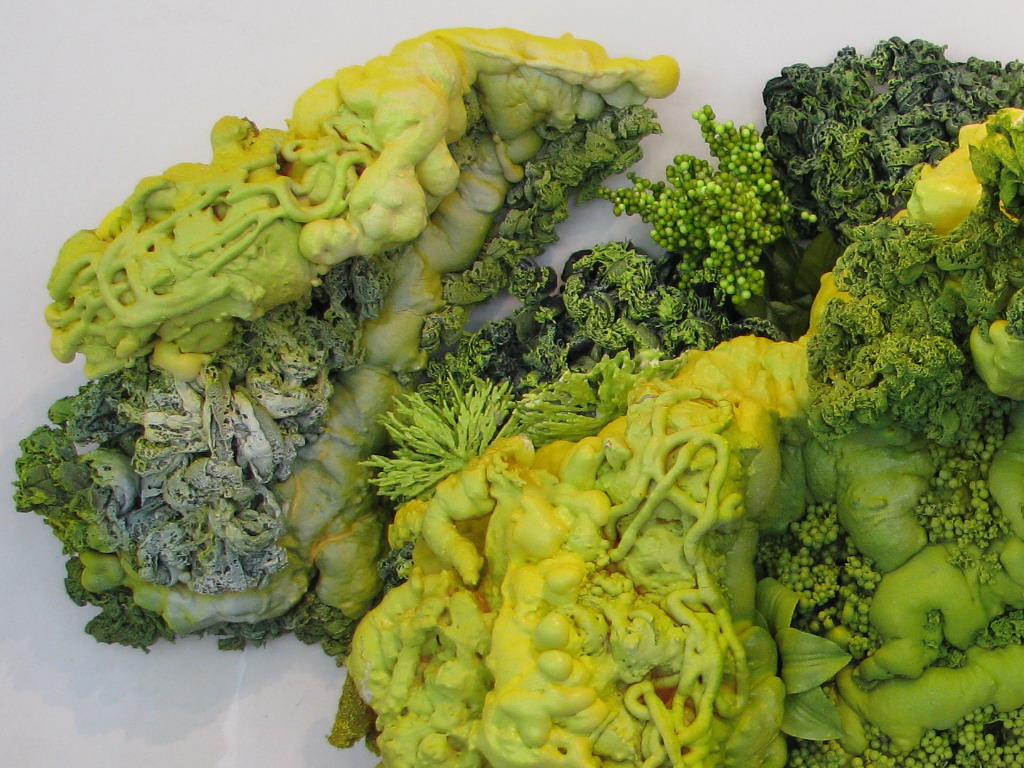
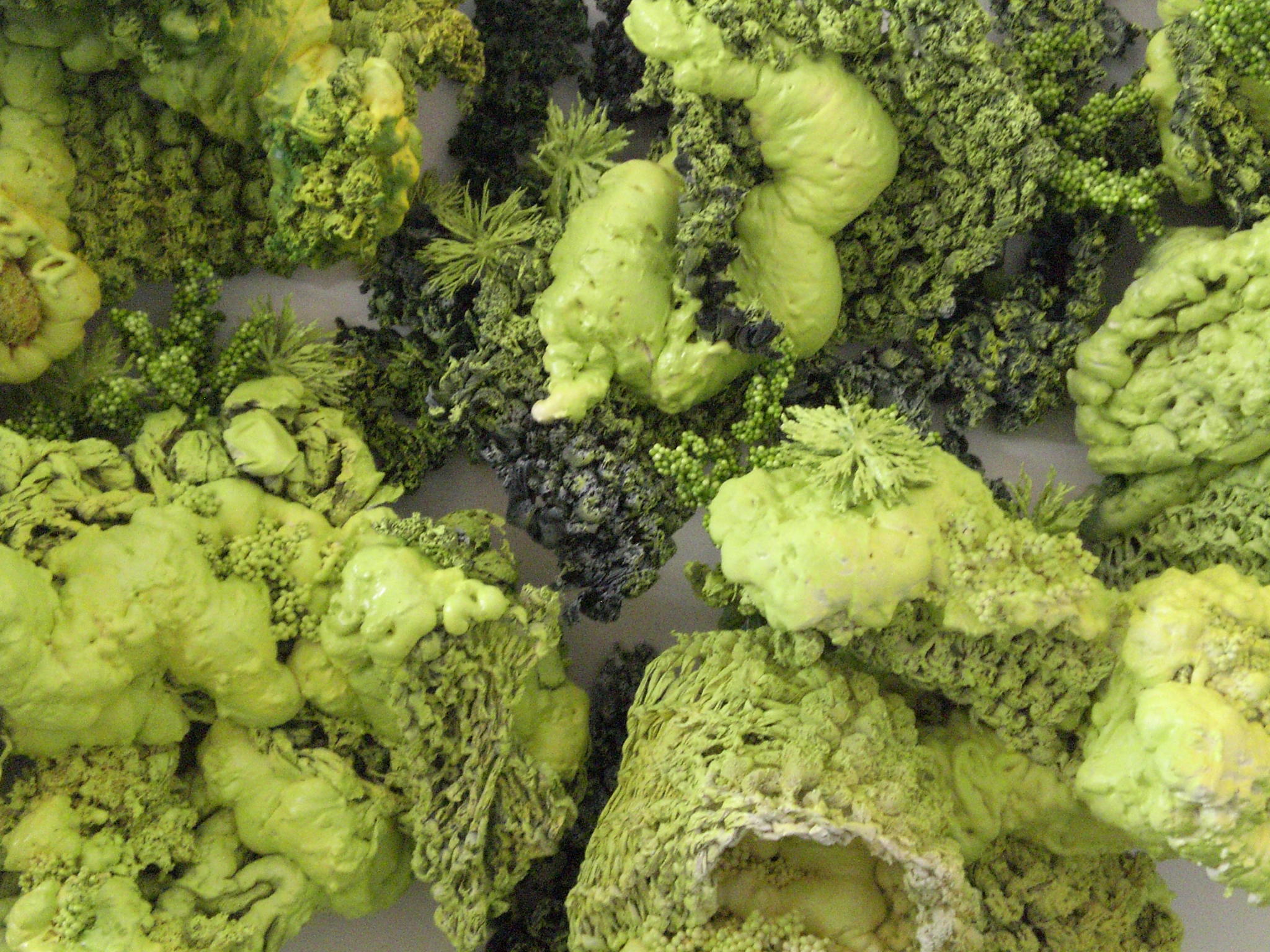
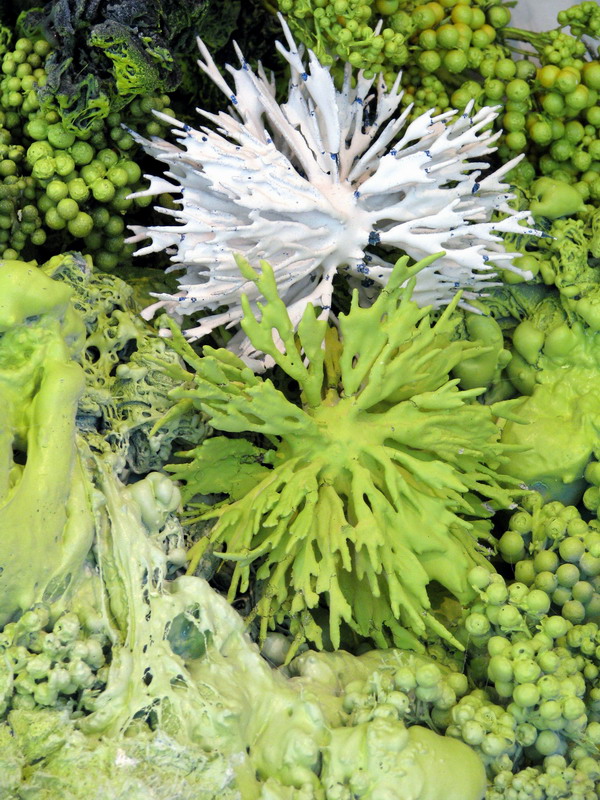
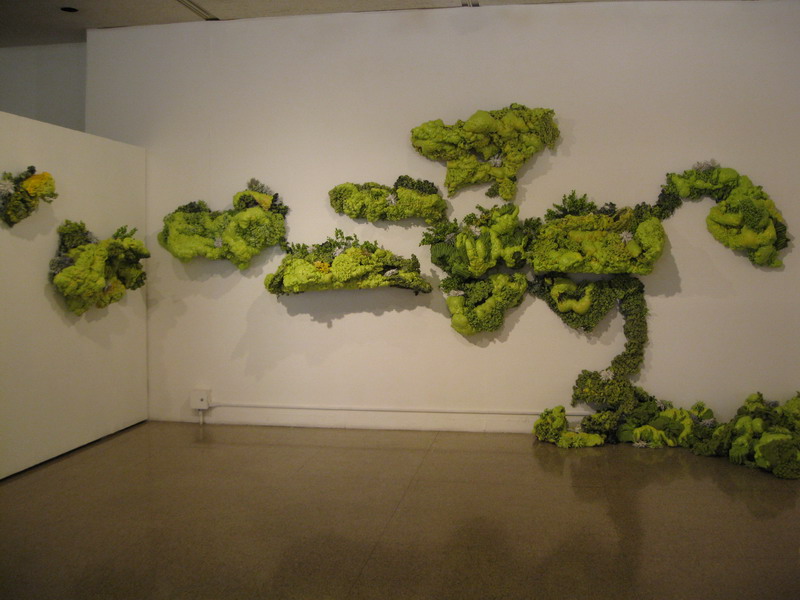
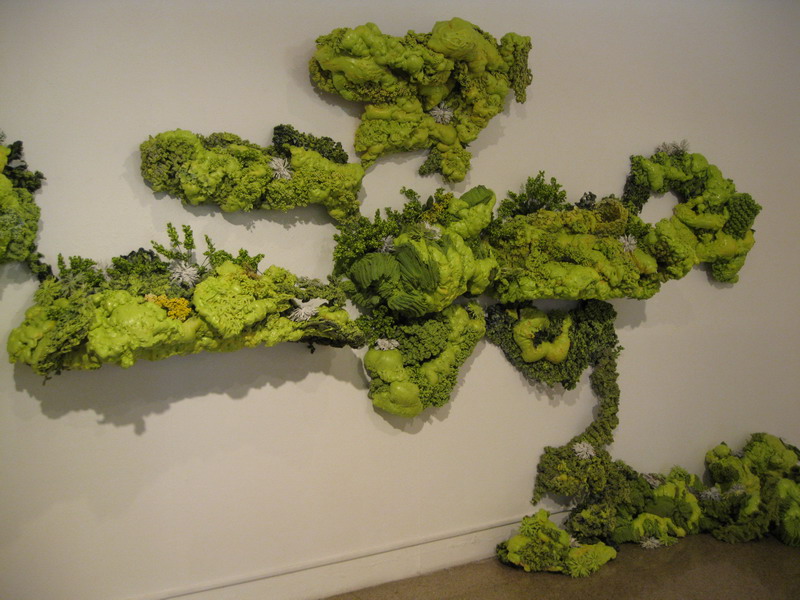
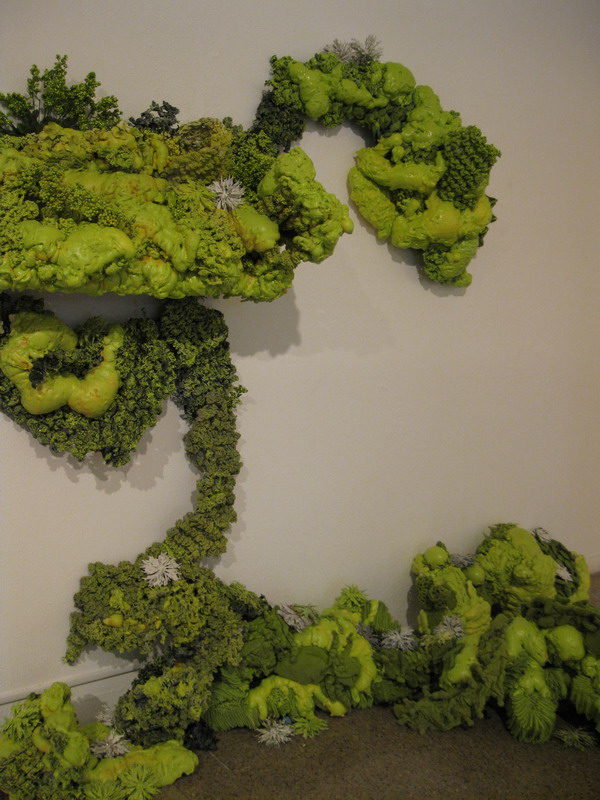
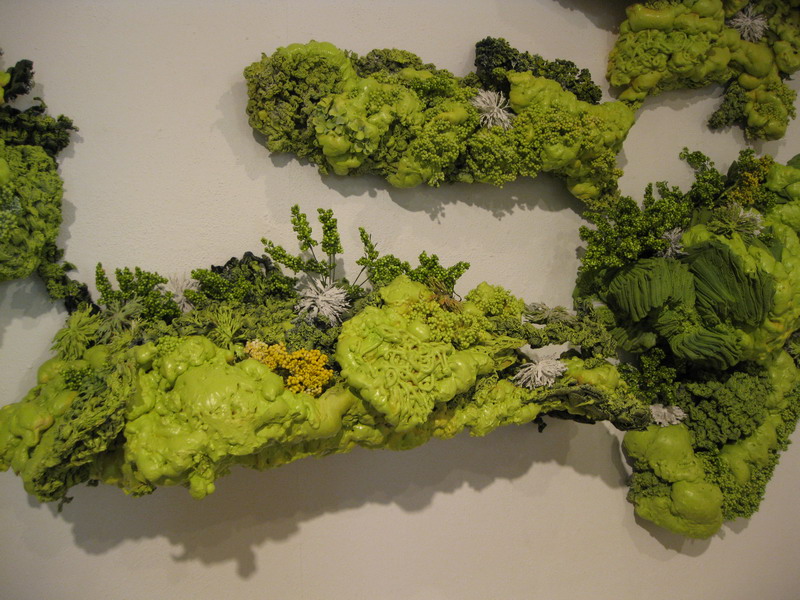
96" x 180" x 72"; acrylic felt, plastic and foam; 2008 Biomimicry: from bios (life) and minesis, (to imitate). This science study investigates nature's best ideas and then copies their designs; resulting innovation inspired by nature. The work I am aiming for studies nature systems and processes. The landscape of marine habitats became a central topic in this project. Especially coral reefs are endangered because coral bleaching and other serious environmental stress can bring them to the point of extinction. Biomimicry is an utopian, artificial reef that reflects on the invasion of the bright green killer algae in the 1990s that devastated entire ecosystems in the Mediterranean sea. This fast-growing toxic seaweed finally dominated sea plant and marine animal communities. Heat transformed the soft felt material into crystallized plant formations. Artificial materials mimic evolutionary processes like melting, crystallization, transformation and growth. |
|||||||